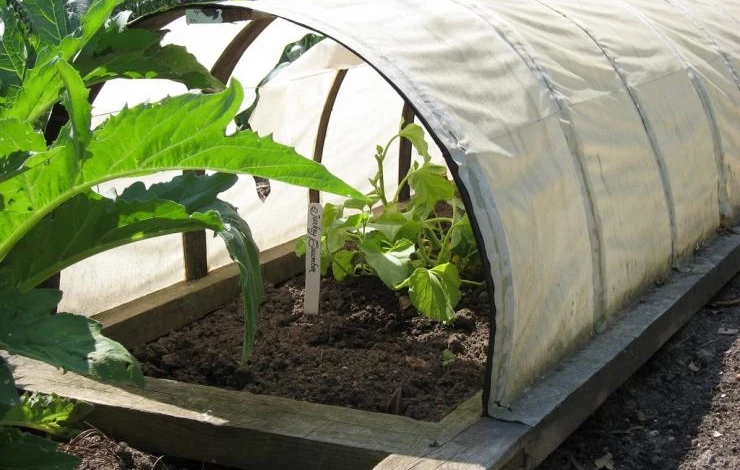
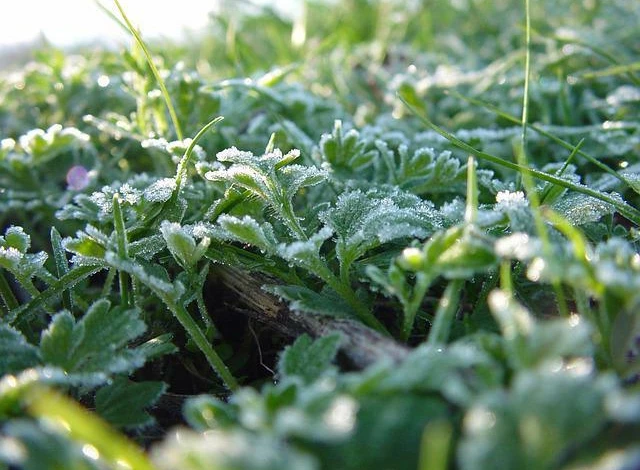
Sheltering various heat-loving crops for the winter is a completely ordinary procedure that cannot be ignored, otherwise your plants may simply freeze out. Today we will talk about when and how to properly cover plants for the winter at the dacha in various regions.
Table of contents
1. Terms of covering plants according to the lunar calendar 2. Terms of covering roses by region 3. Hiding hydrangeas4. How to cover strawberries5. Sheltering grapes in autumn6. When to cover thuja7. Clematis shelter8. Covering time for blackberries9. When to cover garlic in regions10. Rhododendron shelter
Sheltering plants for the winter according to the lunar calendar in 2023
The timing of covering plants in the fall is different, it all depends on the crop and the region where it is grown. Of course, not all crops in your garden are covered for the winter, but plants such as roses, grapes, hydrangeas, strawberries, thuja, clematis, blackberries, as well as rhododendrons and garlic planted before winter need to be covered, otherwise these crops may suffer greatly . In general, heat-loving crops are sheltering, those for which a severely cold winter is not at all the norm.
It is worth considering favorable days for shelter according to the lunar calendar.
|
Month |
Favorable days |
Neutral days |
Unfavorable days |
|
October |
6, 16, 17, 18, 19, 20, 21, 24, 25, 26, 27 (for covering roses, hydrangea, strawberries, thuja, garlic and rhododendrons); 6, 7, 16, 17, 22, 24, 25, 26 (for covering grapes, clematis and blackberries). |
1-2, 3, 4-5 (for all crops); 1, 2-3 (for covering grapes, clematis and blackberries). |
13, 14, 15, 28 (for all crops) |
|
November |
5, 13, 15, 16, 17, 18, 21, 22, 23, 24, 25, 26 (for roses, hydrangea, strawberries, thuja, garlic and rhododendrons); 2, 3, 20, 21, 22, 29, 30 (for grapes, clematis, blackberries). |
1-2, 3, 4, 6 (for roses, hydrangea, strawberries, thuja, garlic and rhododendrons); 1, 4, 5, 6, 7 (for grapes, clematis, blackberries). |
12, 13, 14, 27 (for all crops) |
For shelter, select dry and clean material, this will be as correct as possible. If you made cuts, don’t forget the garden varnish to cover all these cuts. Every crop, no matter whether it is a bush or a tree, requires care and attention, you should not forget about it. Choose the most suitable method for covering a particular plant.
When to cover roses in different regions
Let’s start our story with roses. It is clear that depending on the region, roses are covered with some fluctuation in timing. So, in the Moscow region, roses begin to cover in October or November, depending on the weather of a particular year and its forecast for the next couple of weeks. In the middle zone, roses are covered at approximately the same time as in the Moscow region, but here you can delay the covering a little and often it is not carried out in the second month of autumn, shifting this procedure to November (usually in the middle).
In Siberia, frosts come early, so most often roses are covered here at the end of October or beginning of November, no later. In the Urals, the optimal time for covering roses is also the beginning of November, but do not forget to pay attention to the weather outside the window. In the Far East, roses are covered either at the end of October or at the beginning of November. And in the Leningrad region, the appropriate period for shelter is in the first half of November; you shouldn’t delay it longer, but if the winter is late, then it’s possible.
The optimal temperature for covering roses is approximately -6°, you need to wait three days with this temperature and make a shelter. Try to cover young rose bushes first, and older ones after a couple of days. Scrub roses are quite winter-hardy; you can cover them slowly, a couple of days after the rest. Hybrid tea roses are usually covered before scrubs, often a couple of days earlier. Climbing and groundcover roses are quite winter-hardy, so they can be hidden at the same time as scrubs.

Sheltering hydrangeas for the winter
In the Moscow region, hydrangea is covered at the end of October or beginning of November, no later. In the middle zone, they begin to cover hydrangeas no earlier than the end of October and continue this necessary process until the beginning of November or a little longer.
In Siberia, hydrangea is usually covered in early October; in extreme cases, this period may shift to the middle of the month. In the Urals, hydrangea is also hidden at the very beginning of the month. In the Far East, hydrangeas are covered at the beginning of October, otherwise the weather will deteriorate further and the plant may suffer. As for the harsh Leningrad region, hydrangea is usually covered here no earlier than the beginning of October, and this action should last a couple of days.
Usually, they begin to cover hydrangeas as soon as the temperature begins to stably remain around zero and if further weather forecasts do not show positive values.
Strawberry shelter
Strawberries also require protection from frost. In the Moscow region it is usually covered from mid-October to mid-November, but if the autumn is warm, then it can be postponed until the end of autumn. In the middle zone, strawberries are usually covered from the beginning to mid-November, while it is not too cold.
In Siberia, they begin to cover strawberries in the first half of October, but everything depends on the weather forecast; it is quite possible to wait until mid-October if the autumn is warm. In the Urals, they begin sheltering around mid-October: a little earlier if the autumn is cold and frosty and a little later if the autumn is warm.
In the Primorsky Territory, they begin to cover strawberries around mid-October, always guided by the weather forecast; it is important to wait until the surface of the soil freezes slightly. In the Leningrad region, around mid-October, strawberries are covered; you can wait a little longer if the autumn is rainy and warm.
Cover the strawberries as soon as a slightly negative but stable temperature is established, within a couple of degrees below zero, and when the soil is slightly frosted. In open ground, as a rule, they provide shelter two weeks earlier than in a greenhouse, but it all depends on the reliability of the greenhouse: if it has holes and drafts, then it needs to be hidden at the same time as in open ground.

Sheltering grapes for the winter
In the cool Moscow region, they usually begin to cover grapes in November, most often this is the first half of the month. In the middle zone, they often begin to cover perennial grapes in November, trying to finish it approximately before the middle of the second autumn month.
In Siberia, grapes are covered in the first or second half of October, depending on the weather forecast. In the Urals, they begin to cover grapes towards the end of October and sometimes in November.
In the Far East, grapes are often covered towards the end of October, but if autumn is cold, then you can cover them in the middle of the month. In the Leningrad region, they begin to cover grapes at the very beginning of November and try to complete all activities related to its closure by the middle of the month.
Grapes are usually hidden at a time when a stable negative temperature has established at six or seven degrees below zero, no more. Try to cover young grapes first and then according to age: the older they are, the later (usually a couple of days).
When to cover thuja in the fall
In the Moscow region, they begin to cover thujas, as a rule, at the very beginning of November: not earlier and not later. In the middle zone it is a little warmer, so here they begin to cover thujas in early November and complete the cover during the first ten days of this month.
In Siberia, thuja is usually covered in mid-October. In the Urals, mid-October is also considered the optimal period for covering, since there may be severe frosts later.
In the Far East, thuja is covered until the end of October, but it is important to monitor the weather forecast. In the Leningrad region, the optimal period for covering thuja is from mid-October until the very end of this autumn month.
Typically, thuja, like many other coniferous crops, is covered when the temperature is stable, but there is no frost yet. The larger the thuja, the later it needs to be covered; the difference between covering small and large thujas does not exceed a week. In addition to frost, thuja can be damaged by the sun’s rays reflected from the snow, and by cold wind, which causes the crop to dry out.

Timing of clematis sheltering in different regions
In the Moscow region they begin to cover clematis in the second half of October. In the middle zone, clematis are covered quite early: in the second half of October, and if it is very warm, then the shelter is moved to the end of the month.
In Siberia, clematis are covered already in early October, no later than this period. In the Urals, the very first days of October, when it gets colder, become the optimal time for covering clematis.
In the Far East, clematis are covered at the very beginning of October; the temperature here at this time is already suitable. It’s similar in the Leningrad region.
Usually they start covering clematis when there is a stable negative temperature of several degrees below zero. Therefore, always pay attention to the weather forecast, do not rush and do not delay with shelter.
Blackberry shelter in autumn
In the Moscow region, blackberries are covered at the very beginning of November; here at this time, as a rule, it is already quite cold. In the middle zone, with blackberry shelter, you can wait until about mid-November, but not later.
In Siberia, blackberries are often covered at the end of October, without postponing this procedure until November. In the Urals, around the middle or end of October, they already begin to cover blackberries; here at this time it can be quite cold.
In the Far East, mid-October is marked by the cover of blackberries; it is rarely possible to cover a couple of days later. In the Leningrad region, they usually start sheltering in the middle or end of October, depending on what kind of autumn it is.
Usually, they begin to cover blackberries when the temperature reaches a couple of degrees below zero; they try to cover young blackberries first.

When to cover garlic in the fall in different regions
In the Moscow region, garlic is usually covered in mid-November, but if autumn is cold, then the procedure can be postponed until the beginning of November. Mid November – This is the average period of concealment of the culture. In the middle zone, garlic is usually covered in mid-November, but sometimes the covering is postponed until the end of the month.
In Siberia, garlic is covered already at the end of October, and if autumn is very cold, then in the middle of the month. In the Urals, they begin covering garlic from the middle of the month and finish it at the end of October.
In the Far East, the optimal period for covering garlic is mid-October, but if it is warm, you can postpone this procedure until the end of the month. In the Leningrad region, garlic is covered at the end of October, sometimes the covering is postponed until the beginning of November.
Typically, garlic is covered after a slight negative temperature of a couple of degrees has been observed for ten days in a row.
When to cover rhododendrons
Rhododendron – This is a perennial that also requires care. Let’s start with the Moscow region: here, as a rule, rhododendrons are sheltered towards the end of October, less often at the beginning of November. Well, in the middle zone they start covering rhododendrons in early November; this procedure lasts until the middle of the month at most.
In Siberia, the main shelter time for rhododendrons – it’s mid-October or a couple of days later. In the Urals, rhododendrons are often covered in mid-October, and if it’s warm, they wait until the 20th of the month or do it earlier if autumn is cold.
In the Far East, the 14th-15th day of the second month of autumn – This is the best time to cover rhododendrons. In the Leningrad region, the period from mid-October to the end of the month is suitable for covering rhododendrons.
Rhododendrons are usually hidden if the temperature has become stably negative: within two or three degrees below zero.

More on the topic
 When to cover roses in the middle zone
  What plants to cover with spruce branches for the winter
 What plants on your site do you cover for the winter and with what? Share in the comments!